ECO-9343 · REV B · effective October 17, 2026
EV Manufacturing TransitionRELEASEDEngineering notice
Audi India frames local EV assembly as 'when, not if'
Audi India's head calls local EV manufacturing "a question of when, not if" — intent without a plant, date or confirmed investment behind it yet.
Scope of change
- Audi India head described local EV manufacturing as 'a question of when, not if'
- No plant site, launch date or investment amount accompanied the statement
- Audi already assembles combustion models locally in India via VW Group infrastructure
- India's premium EV segment remains too small to justify a dedicated plant today
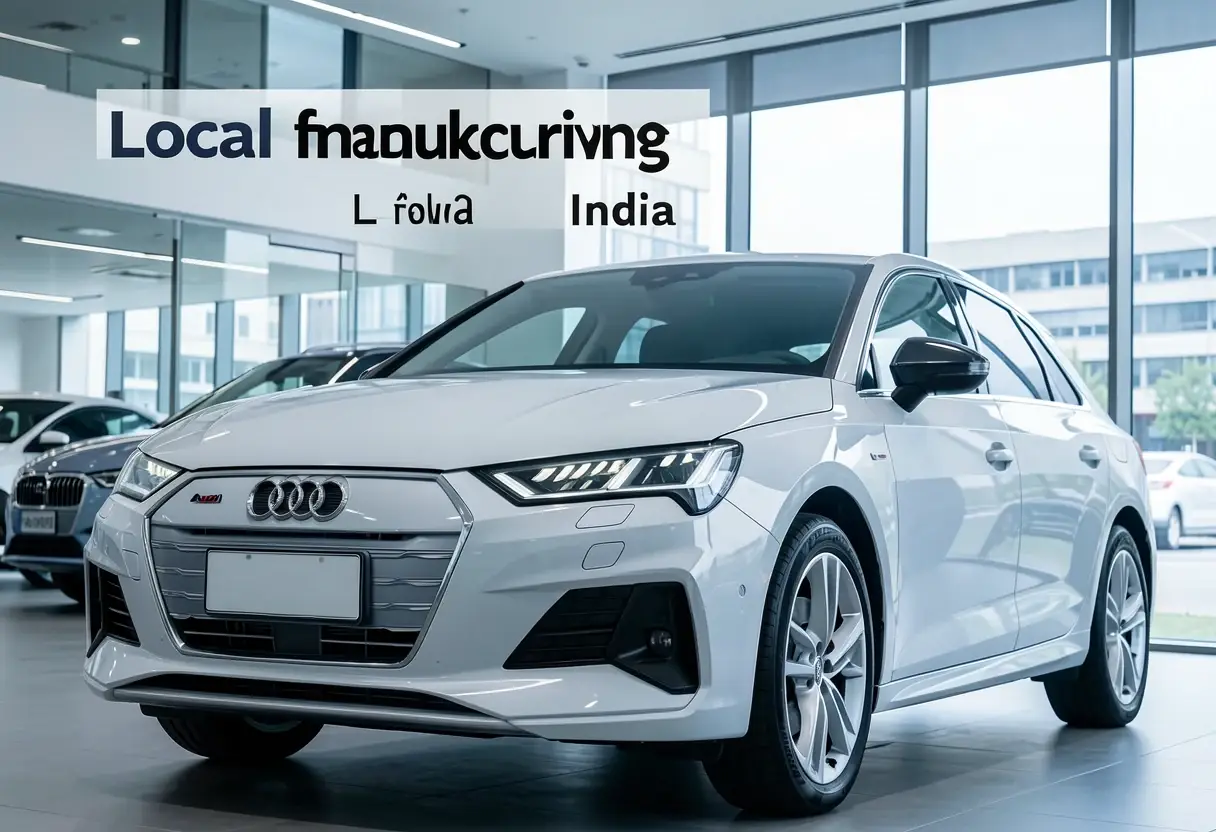
Audi's India operation has put a word on local electric-vehicle manufacturing: inevitable. The brand's India head described local EV production as "a question of when, not if" — a phrasing that signals intent without committing a single rupee of confirmed investment, a plant site, or a launch date.
That distinction matters in the Indian market, where several global OEMs have made similar noises and then waited on policy. An executive statement of intent is not a capacity plan. Audi India has, for now, offered no volumes, no timing window and no localization target to verify against.
What did Audi India actually say?
The company's India head framed local EV assembly as a matter of timing rather than direction, according to the report. In his words, local EV manufacturing is "a question of when, not if."
That's a carefully constructed sentence. It commits Audi to nothing — no plant, no date, no tooling — while telling investors, dealers and policymakers that the brand doesn't intend to import EVs into India forever. In plain words: Audi wants you to believe local production is coming, on a schedule it declines to name.
Why the timing question is really a policy question
For a premium OEM, the case for building EVs in India rests heavily on import duties and localization incentives. Imported completely-built units carry duties that push luxury EV prices well above comparable markets. Local assembly — even screwdriver-level kit assembly to start — changes that arithmetic.
So the "when" in Audi's formulation is not an engineering question. It's a policy and demand question. Duty structures, GST rates on EVs and the pace of premium EV uptake in India will do more to set Audi's timeline than any boardroom in Ingolstadt.
Takeaway: the statement reads as a nudge to Delhi as much as a promise to customers.
How does this fit Audi's India posture?
Audi has assembled combustion models locally in India for years through its Volkswagen Group infrastructure. Extending that playbook to EVs is the obvious next move once volumes justify it. The hurdle is that India's premium EV segment remains small — a few thousand units a year across the luxury tier — and EV plants don't get built for segments that size.
That's the honest read of the situation. Audi India's boss is describing a direction the company will almost certainly take. He is not describing a decision the company has taken.
What to watch next
Three markers will separate intention from commitment:
- A confirmed assembly location and localization percentage for a first EV model
- A dated rollout plan tied to a specific nameplate rather than the brand generally
- Any duty or incentive decision from the Indian government that would change the import-versus-assemble math
Until one of those lands, "when, not if" is a well-made sentence and nothing more.
via Google News: EV manufacturing (Source)
More from Daniel Okafor
Show full bio
Senior reporter covering regulation, policy and their impact on Automotive manufacturing and vehicle production at Autoplant Brief.
245 articles
Also circulated
- Audi India weighs local EV assembly, report says
- Audi India Weighs Local EV Production as It Targets 16% Market Share
- Western carmakers double down on India despite market uncertainty
- India's EV scheme to lure global carmakers has drawn zero takers
- Bosch SDS, Dassault Systèmes Target AI-Led EV Manufacturing in India