ECO-1627 · REV H · effective October 16, 2026
Auto Industry PolicyRELEASEDEngineering notice
Automotive News publishes Trump-era tariff explainer for plant readers
Automotive News has released a Trump-era tariff explainer aimed at plant operators and Tier 1 suppliers. The Crain-owned trade title is repackaging the duty stack as a recurring reference for global manufacturing readers.
Scope of change
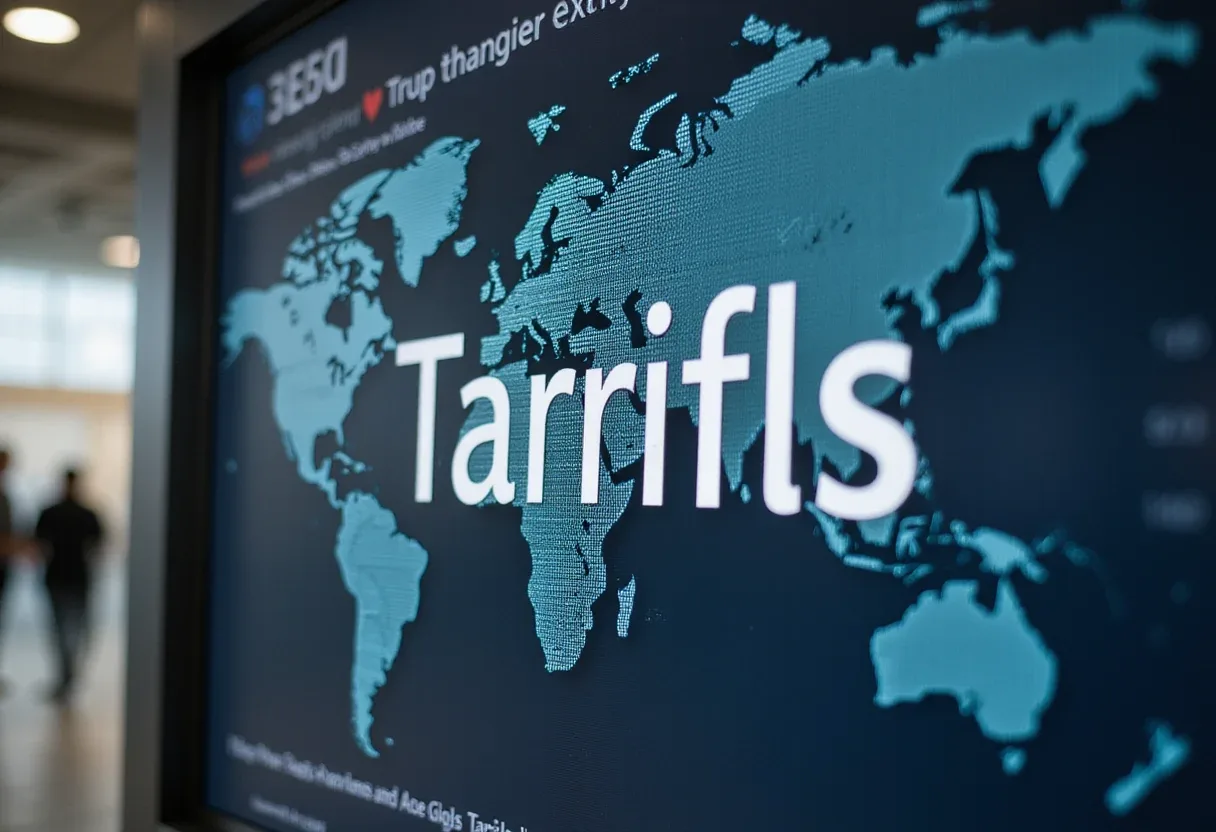
- Automotive News has published 'Tariffs explained: How Trump's duties affect the global auto industry'
- The publisher is Detroit-based Automotive News, owned by Crain Communications
- Tariff actions under the current administration have arrived by executive order, faster than contract renegotiations
- Detroit Three model-year changeovers, typically late summer for fall launches, will be the first operational test of refreshed sourcing pivots
- Section 232 derivative-metal reviews remain open and can extend duty coverage into downstream parts categories
By Marcus Bennett
Automotive News has released "Tariffs explained: How Trump's duties affect the global auto industry," packaging the current U.S. duty stack into a single reference for manufacturing-side readers. The explainer drops while procurement and customs teams across North America are still rebuilding landed-cost models (the all-in cost of an imported part, including duty and freight) against a rules base that has shifted several times this year.
For practitioners, the value is consolidation. Plant operators and Tier 1 supplier (direct contractor to an OEM) sourcing teams typically pull the same duty logic from multiple news stories, regulatory notices, and customs rulings. A reference explainer flattens that lookup work into one document, freeing analyst hours for the harder question: how the duty stack lands on this specific bill of materials (the breakdown of every part in a vehicle, including origin and cost)?
The publication itself signals where trade coverage is heading. Tariff actions under the second Trump administration have come by executive order and U.S. Trade Representative notice rather than by statute, moving faster than contracts can be renegotiated between suppliers and OEMs (original equipment manufacturers). Trade titles have responded by treating such policies as recurring reference material to be refreshed, rather than single-shot news events.
Detroit-based Automotive News, owned by Crain Communications, remains the trade title with the widest reach across North American, European, and Asian plant operations. An explainer that names "the global auto industry" is built for the procurement teams at Hyundai in Montgomery, Stellantis in Windsor, and Volkswagen in Puebla who all face the same U.S. duty stream but read it against different sourcing footprints.
What does this change for plant-level decision-making?
It compresses the lookup, not the maths. Plant operators running sourcing scenarios against a 2025 or 2026 model-year changeover (the retooling window between successive production years) still have to decide where each part lands cost-wise. An explainer gives finance, procurement, and customs the same baseline to work from, and that alignment matters more than any single calculation it contains.
The operational question stays constant across every tariff cycle: at what point does a sourcing shift save more than it costs to execute? Under heavy duty pressure, that payback window shrinks for several parts categories — transmissions sourced from tariffed jurisdictions, sub-assemblies with high Chinese-content exposure. Plant teams chasing those moves face tooling amortisation (spreading a tooling cost over the units it produces) decisions that the duty stack now drives.
What to watch next
Any executive action that revises the vehicle-specific duty base — the layer that hits finished vehicle cost most directly and most visibly to consumers. The North American model-year changeover windows at the Detroit Three, typically late summer for fall launches, will be the first operational test of whether refreshed sourcing pivots actually land on schedule.
Sector-specific carve-outs matter too. Any U.S.-EU agreement that adjusts duties on European-built vehicles — Porsche, BMW, and Mercedes-Benz exports to the United States — would change the import-margin maths that dealers and importers use for pricing those nameplates. The Section 232 derivative-metal reviews (the U.S. national-security tariffs on steel and aluminium, including downstream products that contain them) are the second queue to watch, since they can extend duty coverage into downstream part categories without warning.
via Google News: Auto industry policy (Source)
More from Marcus Bennett
Show full bio
News editor covering regulation, policy and their impact on Automotive manufacturing and vehicle production at Autoplant Brief.
202 articles