ECO-7438 · REV E · effective October 16, 2026
Auto Industry PolicyAPPROVEDEngineering notice
Ford CEO brands Trump tariffs 'chaos' for US auto sector
Ford's CEO told NBC News that President Trump's tariff regime is causing "chaos" inside the US auto industry — the sharpest public objection yet from a Detroit Tier-1 OEM on trade policies now reshaping US plant economics.
Scope of change
- Ford CEO told NBC News that President Trump's tariff regime is causing 'chaos' in the United States auto industry.
- Tariffs on imported vehicles, components and raw inputs have flowed through vehicle pricing, parts sourcing and assembly scheduling across the OEM base.
- The CEO's public framing gives procurement teams and parts suppliers cover to renegotiate cost assumptions inside active supply contracts.
- Watch points for the next 30 to 60 days: the next tariff revision date, any vehicle or US-content exemption language, and whether GM, Stellantis and Japanese-transplant OEMs align publicly with Ford's position.
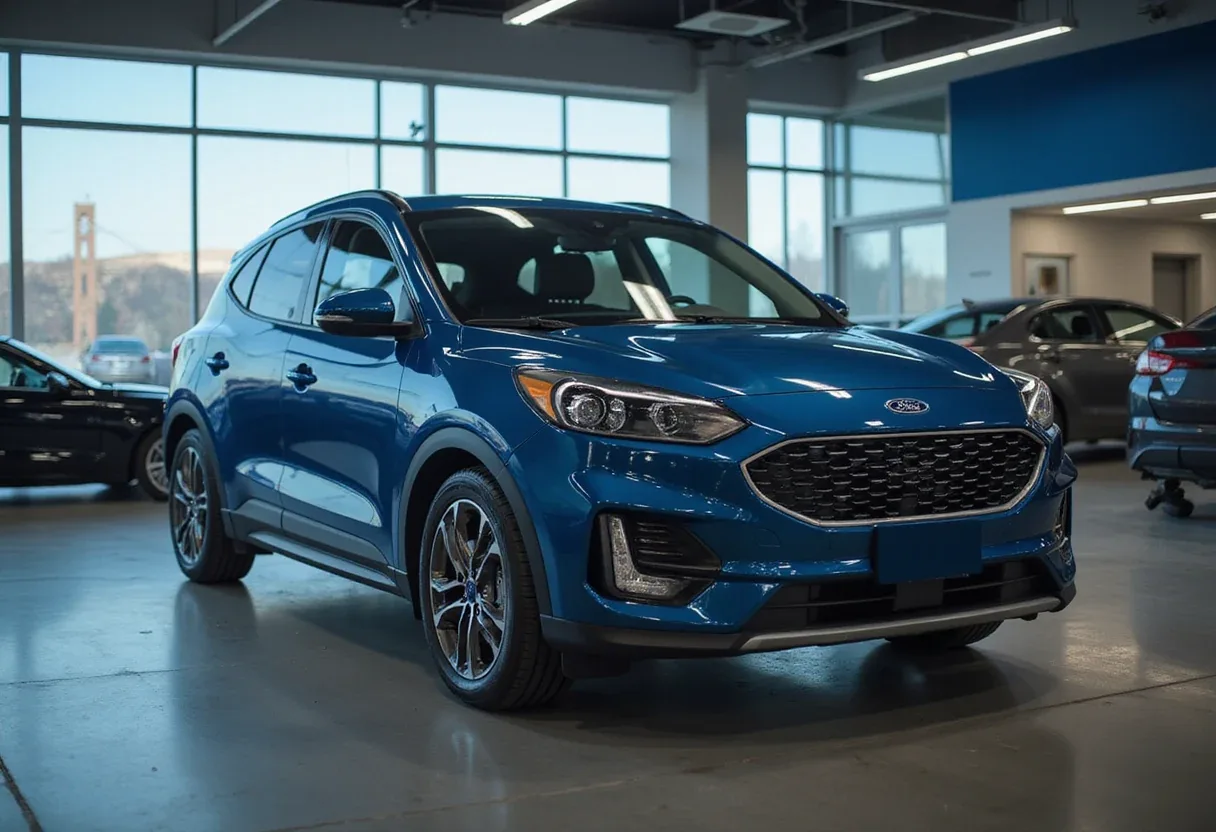
The CEO of Ford Motor Company told NBC News that President Donald Trump's tariff regime is causing "chaos" inside the United States auto industry.
The verdict is the most direct public objection yet from a Detroit Tier-1 OEM (original equipment manufacturer — a brand that sells vehicles under its own nameplate) on trade policies now reshaping US plant economics.
The comments, carried by NBC News, put Ford's senior leader on record against duties that have flowed through vehicle pricing, parts sourcing and assembly scheduling. The administration moved to layer tariffs on imported vehicles, components and raw inputs in early 2025.
"Chaos" carries weight because CEOs of major US automakers have so far avoided open public opposition to trade policy. Earlier industry-government fights over steel and aluminum duties saw technical, private engagement, not on-camera verdict calls.
What does the CEO's "chaos" verdict change for assembly planners?
A Tier-1 chief going on record with that word gives plant managers, procurement leads and finance partners authority to flag tariff exposure in board-level reviews. Cost stacks built before the duty cycle started now require a contingency band.
The band must be sized to whatever the next policy revision delivers. Programs approaching SOP (start of production) cannot lock BOM (bill of materials) costs without an explicit tariff sensitivity scenario in the budget.
The Ford statement also resets the industry's political posture. Auto manufacturing lobbying has typically leaned on technical engagement with trade officials. A CEO naming the environment "chaos" on national news moves that conversation into the open, where the administration's trade representatives will find it harder to ignore. The shift makes follow-up letters from the industry's Washington trade associations more pointed than they have been in years.
What changes for parts suppliers?
Tier-1, Tier-2 (subsystem fabricators feeding assembly plants) and Tier-3 vendors (specialty parts and raw-material producers) supplying Ford's North American footprint have already absorbed margin pressure. Duties on steel, aluminum, electronics and finished components have cut supplier margins through the year.
A top-OEM chief describing the regime as unworkable gives purchasing teams cover to renegotiate price escalators and accelerate regional sourcing shifts inside active supply contracts.
For smaller parts makers with thin liquidity, that signal matters more than any policy speech in Washington. A confirmed position from their largest customer's CEO lets them price tariff risk into 2025 and 2026 RFQs (requests for quotation — formal pricing documents that lock supplier commitments).
The competitive fear is losing the contract to a rival underbidding on a pre-tariff cost assumption. A public OEM position lets suppliers defend that assumption in a way the in-house purchasing lead can accept. Smaller vendors can now request contract amendments referencing tariff-induced cost variance without that request being treated as opportunistic.
What to watch
Three items for the next 30 to 60 days: the next tariff revision date, with any vehicle or US-content exemption language; whether rival OEMs publicly align with or distance themselves from Ford's position; and the renegotiation cadence at suppliers carrying the heaviest tariff exposure.
Sourcing teams should expect cost variance to remain the default assumption through at least the next two quarters. If the "chaos" framing sticks politically, plant-level tariff pressure shows no sign of easing. Contract reviewers should expect more Tier-2 and Tier-3 RFQs to include explicit tariff clauses for the rest of 2025.
via Google News: Auto industry policy (Source)
More from Marcus Bennett
Show full bio
News editor covering regulation, policy and their impact on Automotive manufacturing and vehicle production at Autoplant Brief.
202 articles