ECO-9371 · REV P · effective October 15, 2026
Suppliers & Tier-1sRELEASEDEngineering notice
GlobalFoundries to spend $21 billion on New York fabs under US-Japan deal
GlobalFoundries commits $21 billion to New York fabs under a U.S.-Japan trade deal, citing automotive and industrial chip demand. No capacity or timing disclosed yet.
Scope of change
- GlobalFoundries announced $21 billion for new fabs in New York state.
- The expansion sits under a U.S.-Japan trade agreement.
- GlobalFoundries cited growing automotive and industrial demand as a driver.
- No groundbreaking date, wafer capacity or automotive qualification timeline has been disclosed.
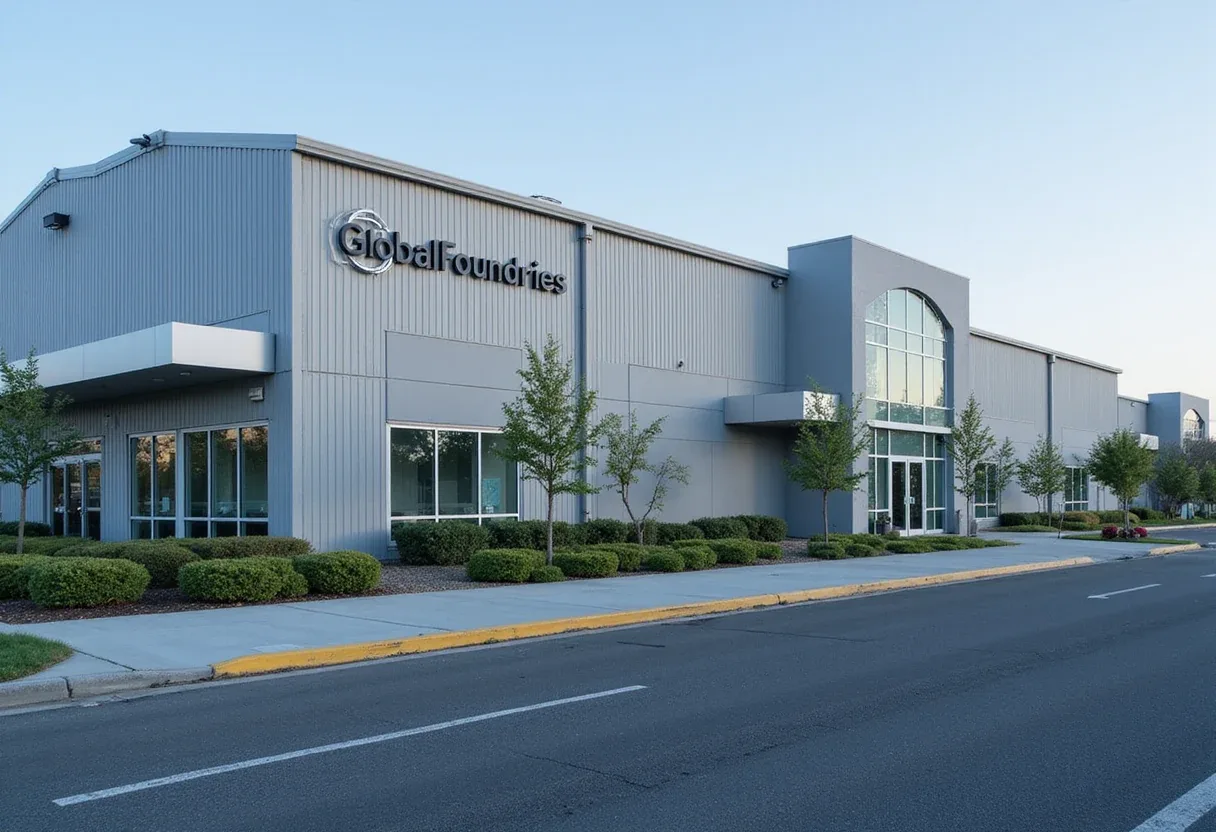
GlobalFoundries has put $21 billion behind new fabrication plants in New York state, under a trade agreement between the U.S. and Japan that the chipmaker says will accelerate domestic semiconductor manufacturing.
The company frames the build-out around three objectives: strengthening critical supply chains, expanding U.S. chip output and serving growing automotive and industrial demand. GlobalFoundries, a tier-one semiconductor foundry (a contract manufacturer that produces chips designed by other companies), said the multibillion-dollar agreement will support all three.
For automakers, the announcement matters because GlobalFoundries sits in the supply base for legacy-node chips — the mature-process semiconductors that run infotainment, power management and driver-assistance systems. Those parts, not cutting-edge processors, caused the production stoppages of 2021-22. Any added foundry capacity in the U.S. directly targets that exposure.
What does this change for automotive buyers?
Not much immediately. Fabs take years to build and qualify; automotive-grade chips must clear AEC-Q100 validation (the industry's stress-test standard for components in vehicles) before they reach a production line. The near-term significance is structural: more geographically concentrated supply for the mature nodes vehicles actually consume.
The U.S.-Japan dimension adds a second layer. The deal links American capacity expansion to a bilateral framework rather than a unilateral subsidy program, which suggests coordinated industrial policy between two of the largest automotive-producing economies. GlobalFoundries did not disclose the split between government support and private capital in the $21 billion figure.
Confirmed versus announced
Here the record needs care. The $21 billion commitment is an announced intention, not a construction milestone. GlobalFoundries has confirmed the scale and the policy context, but the company has not yet published:
- A groundbreaking date for the new fabs
- Capacity targets in wafers per month
- A timeline for automotive qualification
- Specific OEM or tier-one customer commitments
Industry practice says treat supplier-side announcements as claims until production data backs them. Foundry expansions have slipped before when end-market demand softened; the 2022-23 memory downturn delayed several announced projects.
Why New York
GlobalFoundries already operates a major fab in Malta, New York, its most advanced U.S. site. Expanding there leverages existing infrastructure, a trained workforce and an established utility footprint — factors that shorten timelines relative to greenfield sites. The state has also been active in semiconductor incentive programs.
The automotive angle is the demand driver GlobalFoundries itself cited. Vehicle content per car keeps climbing, with electrified models using substantially more chips than combustion equivalents. Industrial demand — power electronics, factory automation — compounds the same capacity pressure.
What to watch next
Three markers will tell you whether this $21 billion converts into deliverable capacity:
- A groundbreaking or construction permit date from GlobalFoundries
- Disclosed wafer capacity and process nodes targeted at automotive workloads
- Any named OEM or tier-one supply agreement tied to the New York output
Until those land, this remains a headline commitment anchored in real policy momentum — the U.S.-Japan framework — but without production milestones attached. The next scheduled updates from GlobalFoundries, typically quarterly earnings calls, are the venue where those numbers should surface.
Grace Kim
via Manufacturing Dive (Source)
More from Grace Kim
Show full bio
Staff writer covering people, launches and day-to-day practice in Automotive manufacturing and vehicle production at Autoplant Brief.
175 articles
Also circulated
- Fed paper maps the chip shortage's two-year impact on vehicle output
- ITIF: US Auto Industry Needs National Strategy for China Challenge
- Automotive World releases July 2026 light vehicle production update
- Automotive World releases January 2026 light vehicle production data
- Nissan, Mercedes Add Warnings to Auto Chip Supply Crisis