ECO-5486 · REV M · effective October 17, 2026
Suppliers & Tier-1sAPPROVEDEngineering notice
Rivian Hands Redwood a Bigger Slice of Its Battery Afterlife
Rivian expands its Redwood Materials partnership: production scrap recycling and second-life reuse of retired EV packs now sit alongside stationary storage.
Scope of change
- Rivian and Redwood Materials have expanded their existing partnership, the companies confirmed.
- Redwood will now recycle Rivian production waste and reuse decommissioned EV batteries on Rivian's behalf.
- The prior collaboration centered on stationary battery storage built from retired packs.
- No volumes, timelines or financial terms were disclosed in the announcement.
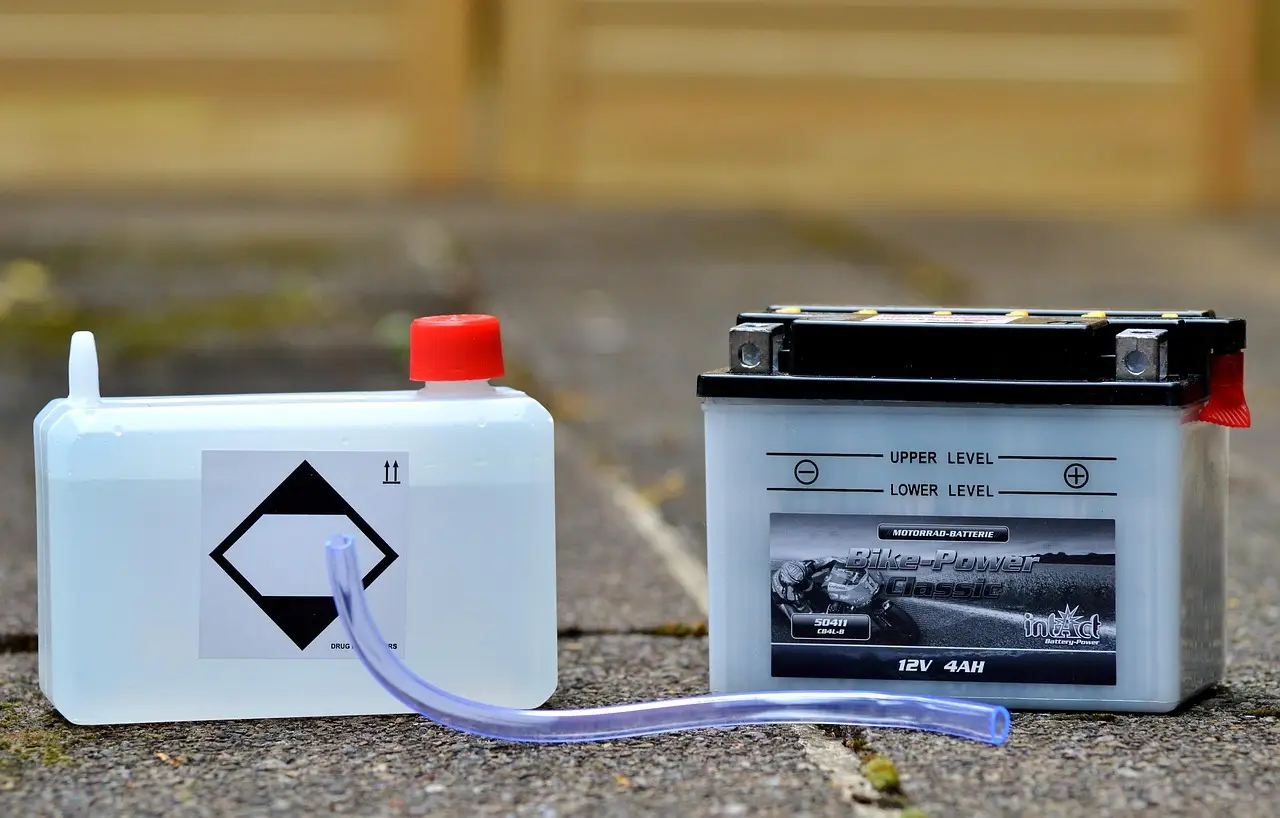
Redwood Materials will take on a broader role in Rivian's battery afterlife, moving beyond stationary storage into recycling production waste and repurposing packs retired from Rivian's electric vehicles. The two companies confirmed the expansion of their existing partnership, deepening a supplier relationship that already put Redwood's storage systems to work behind Rivian's grid-side ambitions.
That's the whole announcement, and in the battery supply chain world, it's not a small one. Production scrap — the trimmings, rejects and off-spec cells from gigafactory lines — is where most recyclable battery material actually comes from today, not end-of-life packs. A formal channel from Rivian's plants to Redwood's processing means that material has a designated home.
What changes in the Rivian-Redwood relationship?
Previously, the collaboration centered on stationary battery storage: Redwood supplied systems that gave decommissioned EV batteries a second job on the grid. The expansion adds two responsibilities on Rivian's behalf:
- Recycling of production waste from Rivian's manufacturing operations, rather than letting scrap flow to third-party processors.
- Reuse of end-of-life EV batteries pulled from Rivian vehicles in the field, feeding either second-life applications or Redwood's materials recovery loop.
Redwood, founded by former Tesla executive JB Straubel, has positioned itself as a domestic closed-loop supplier — recovering lithium, nickel and cobalt from spent cells and feeding them back into new battery production in the US. Rivian now anchors both ends of that loop for Redwood: it supplies the waste streams and retired packs, while Redwood converts them into storage assets and raw material.
For an OEM, closing that loop matters. Battery-grade material sourced domestically cuts exposure to imported cathode and anode supply chains, and second-life storage squeezes residual value out of packs that would otherwise be written off. Rivian hasn't disclosed volumes, timelines or financial terms — so treat the operational scale as an intention until production data shows up.
Why second-life storage keeps growing?
Every EV pack that leaves a vehicle still holds usable capacity — typically enough for years of grid service before it's worth shredding. Redwood's storage business is built on exactly that arbitrage: buy or take retired packs cheaply, stack them, sell grid flexibility.
The Rivian expansion gives Redwood a more predictable feedstock. Predictable feedstock is the entire game in recycling; plants run on tonnage commitments, not press releases.
The takeaway: Rivian is consolidating its battery end-of-life strategy with one partner rather than spreading it across recyclers.
What to watch next?
The signals that would turn this from intent into capacity: disclosed tonnage of Rivian scrap moving to Redwood's Nevada operations, confirmation of which Rivian plants are routing waste, and any announcement of second-life storage deployments tied specifically to retired Rivian packs. Until those numbers arrive, this is a structure, not yet a stream.
via electrive (Source)
More from Daniel Okafor
Show full bio
Senior reporter covering regulation, policy and their impact on Automotive manufacturing and vehicle production at Autoplant Brief.
246 articles
Also circulated
- Rivian Taps Redwood Materials for Recycled-Battery Power at EV Plant
- Rivian and Redwood Materials widen battery deal to closed loop
- Rivian Taps Redwood for 10 MWh Second-Life Battery Storage at Normal Plant
- China Eyes Recycled EVs as Feedstock for Its EV Manufacturing Boom
- GM Builds First Production Vehicles with Fully Recycled Cathode Material