ECO-5171 · REV X · effective October 16, 2026
Auto Industry PolicyRELEASEDEngineering notice
Three tariff fronts aim at Alabama's auto industry
Three tariff lines on China, Mexico and Canada could shake Alabama's auto industry, the Alabama Reflector warns — but the published version names no plants, no model programs and no dollar exposure. The siren is real; the count is not.
Scope of change
- Three trading partners named in the tariff scope: China, Mexico and Canada
- The Alabama Reflector piece frames Alabama's auto industry as exposed but lists no specific plants
- No model lines, supplier counts or dollar exposure figures appear in the published version
- The previous round of Trump-era tariffs produced carve-outs after initial warnings
- Alabama hosts a multi-OEM assembly base with a tier-supplier ring built up over decades
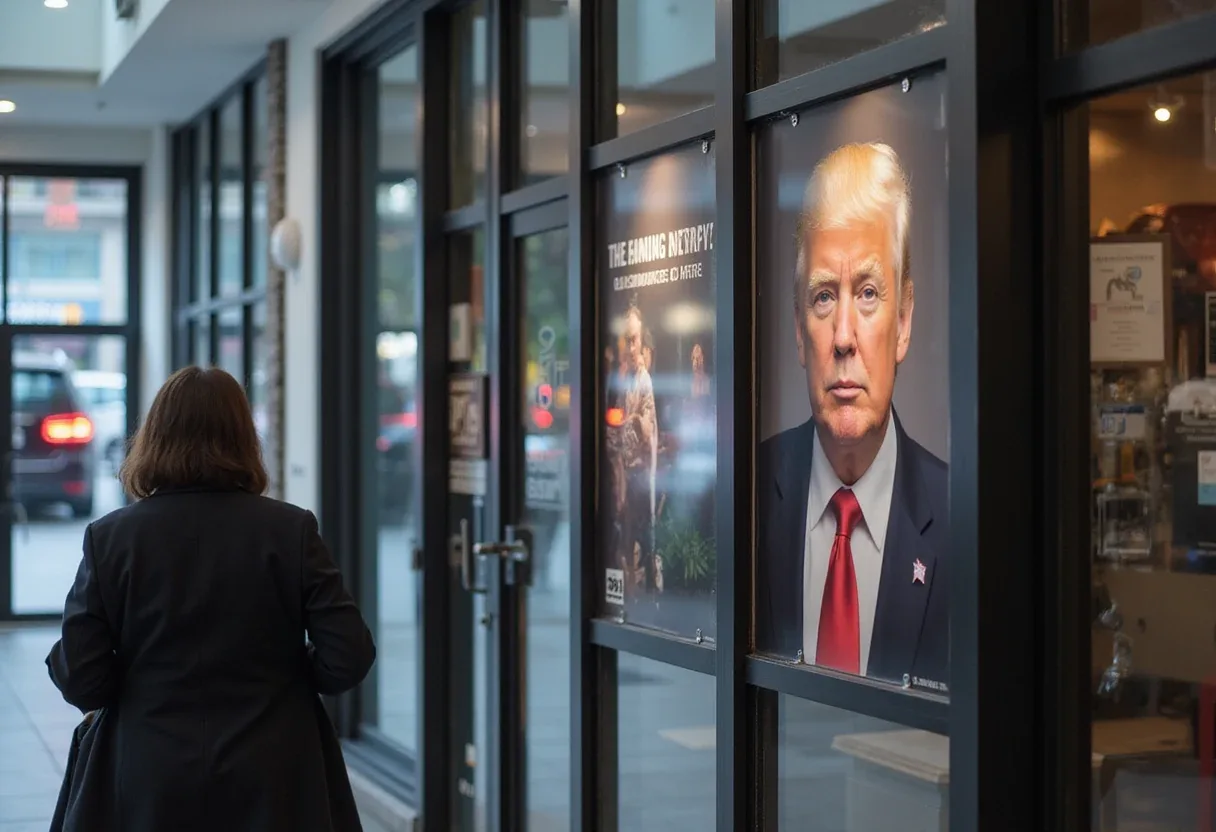
Three tariff lines — on China, Mexico and Canada — could shake Alabama's auto industry, the Alabama Reflector warned in a headline aimed squarely at the state's assembly plants and supplier network. That sentence is the entire news peg. Everything below it is what the story doesn't yet say, and what a careful reader should demand before treating the warning as a verdict.
What does the Alabama Reflector actually claim?
The piece, in the form available here, names the three trading partners under tariff pressure and points at Alabama as exposed. It does not, in the published version, name affected plants, specify model programs, count supplier exposure, or carry a quoted dollar figure. "Could shake" is a forecast. Forecasts are not damages. The trade-press canon is blunt on this point: announced intentions are not confirmed capacity plans, and a headline is not a production report. Readers who treat the two as the same end up rewriting their lede a week later, which is a bad week to be wrong about an auto story.
Why the scope still matters
The scope, even without numbers, is large enough to take seriously. Alabama sits inside the North American auto production map as a multi-OEM assembly state, with a tier-supplier ring that has accumulated over decades around its plants. Tariffs on Mexico and Canada land fast because that production map has spent thirty years converging into a single cross-border parts pool, where engines, transmissions, stampings and wiring cross borders multiple times before a finished vehicle exists. Tariffs on China land in a different lane — electronics, battery components, the rare-earth chain feeding EV programs — but they land in the same state. None of this requires a number to be true. All of it requires a number to be sized, and the Alabama Reflector has not yet done that sizing.
Which "shake" should readers actually price in?
In trade-press terms, "shake" usually means one of three things, and they aren't equal. It can mean supply-chain reroute — plants and suppliers scrambling to qualify alternative sources, which costs time and money but rarely kills output. It can mean short-term margin compression, where OEMs and tier-one suppliers eat part of the tariff to keep vehicle prices stable. Or it can mean consumer price pass-through, where the duty shows up on the Monroney sticker and demand softens. Which of those three Alabama ends up in depends on policy detail that hasn't been published yet. Treat "shake" as the headline's umbrella term, not as a forecast of which rain is coming.
Where the politics sit
There is also a political lane worth flagging without spinning. Tariff policy at this scale tends to produce carve-outs, exemptions and program-by-program renegotiation, and Alabama's political map puts several auto plants inside it. The headline's framing — that this round may not be auto-exempt by default — is the part a careful reader should underline. The previous round of Trump-era tariffs produced exactly such carve-outs, often quietly, often after loud warnings. The pattern is worth remembering before anyone prices in catastrophe.
One-line takeaway: the siren is real; the damage count is not yet in the story.
What to watch next
The actual tariff text: which HS codes get hit, which value thresholds apply, which exemption windows get carved out. OEM and supplier commentary in the next two earnings cycles, where input-cost language moves before production data does and where management teams either confirm or walk back the headline's exposure estimate. And any Alabama-specific plant signal — a shift change, a line slowdown, a supplier-letter ripple — that converts the headline's exposure claim into confirmed ground truth. Until one of those three moves, the Alabama Reflector has fired the warning shot. The damage assessment is still the reader's job — and, frankly, the Alabama Reflector's next job, if it wants the headline to hold up past the first trading day.
via Google News: Auto industry policy (Source)
More from Daniel Okafor
Show full bio
Senior reporter covering regulation, policy and their impact on Automotive manufacturing and vehicle production at Autoplant Brief.
238 articles
Also circulated
- Trade Report Warns Tariffs Will Upend North American Auto Industry
- Twelve Months of US Tariffs Have Not Drawn Automotive Production Home
- Suppliers Bear the Brunt as Trump Tariffs Squeeze US Auto Sector
- Alabama Supplier Base Draws Fresh Investment, Headline Signals
- Supreme Court Tariff Ruling Draws Auto Industry Reactions