ECO-1055 · REV R · effective October 18, 2026
Auto Industry PolicyRELEASEDEngineering notice
Toyota and Honda Face the Hardest Hit From Canadian Auto Tariffs
Toyota and Honda rank as the biggest losers under proposed Canadian auto tariffs, per Yahoo Finance. But the analysis lacks rates, exemptions and cost estimates.
Scope of change
- A Yahoo Finance analysis identifies Toyota and Honda as the automakers hardest hit by proposed Canadian auto tariffs.
- The report provides no dollar impact estimate, tariff rate, or per-vehicle cost figure.
- Both OEMs operate cross-border US-Canada production networks exposed to two-way tariff flows.
- Tariff implementation date and any USMCA exemption remain undecided.
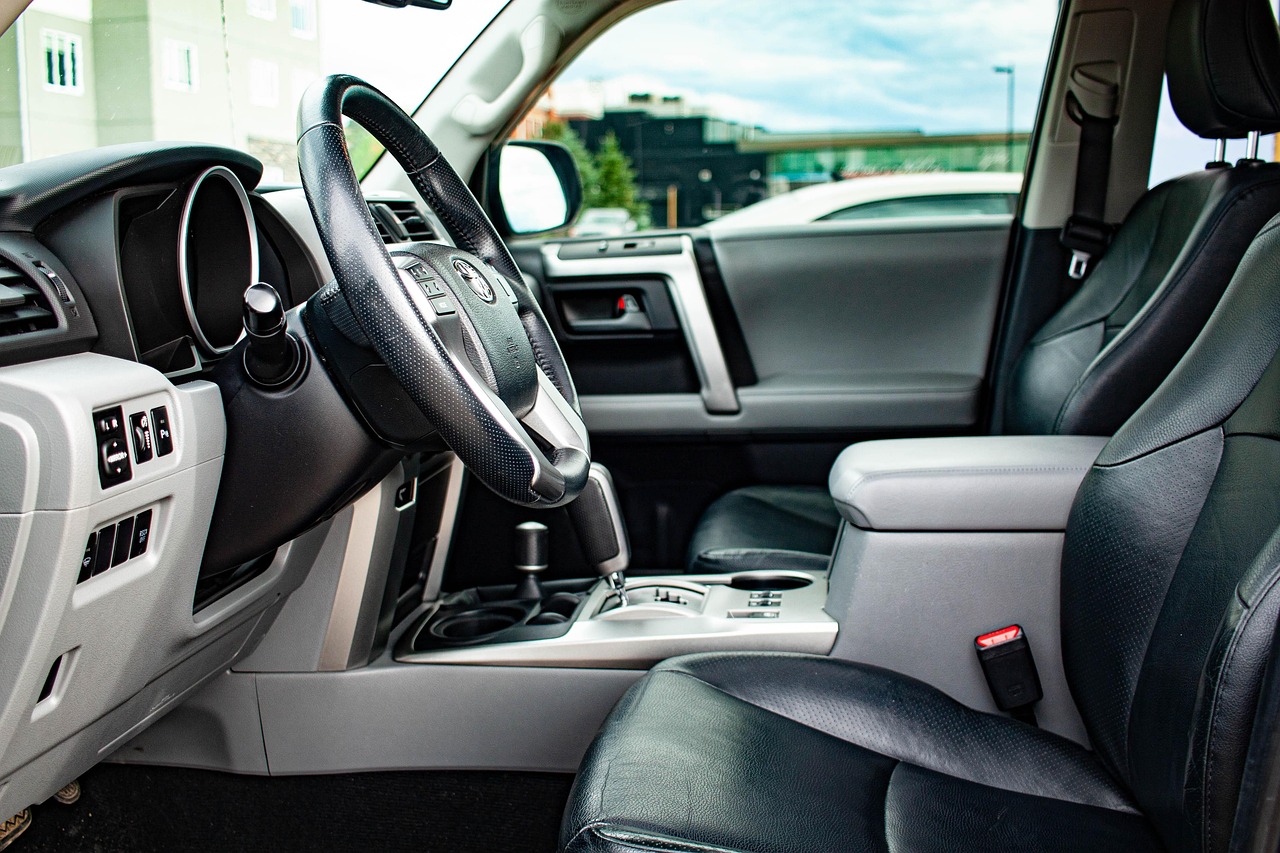
Toyota and Honda would absorb the largest impact among major automakers if the proposed Canadian auto tariffs take effect, according to a Yahoo Finance analysis of exposure across the industry.
The report does not spell out a dollar figure for either company. That gap matters. Exposure rankings without cost estimates are common in tariff coverage, and they age poorly once actual trade data replaces projections.
Why Toyota and Honda sit at the top
Both OEMs run substantial production networks that cross the US-Canada border. Vehicles and components built in Canada enter the US market, and parts sourced from US plants feed Canadian assembly lines. A tariff on that two-way flow taxes the same vehicle more than once in some scenarios.
The analysis identifies Toyota and Honda as the most exposed because of the volume moving through that corridor. It does not, based on the available summary, break out production counts, plant-level figures, or per-vehicle cost estimates. Those numbers would let readers judge the claim. They are absent.
What the analysis does not say
Tariff stories routinely omit the variables that decide real-world impact:
- The tariff rate applied to finished vehicles versus parts
- Whether USMCA-compliant goods receive an exemption
- Pass-through: how much cost OEMs absorb versus shift to dealers and buyers
- Production-shift options inside each OEM's North American footprint
None of these appear in the headline claim. Without them, "hit hardest" is a ranking, not a forecast.
The skeptic's read
Toyota and Honda have flexible North American capacity. Both have shifted output between plants before, most recently during chip-shortage reassignments in 2021 and 2022. A tariff changes the math for where a given model gets built, and both companies have said they treat North America as one production system.
That flexibility cuts both ways. It softens the tariff hit over time, but it also puts Canadian plants — and the suppliers around them — at risk of volume loss if the economics favor US assembly. The Yahoo Finance framing focuses on OEM exposure. The supplier tier downstream faces its own exposure, and the analysis does not address it.
What to watch next
Three things will test this ranking. First, the actual tariff implementation date and rate, which Washington has not finalized. Second, any USMCA carve-out, which would shrink the exposed volume sharply. Third, Toyota's and Honda's next capacity announcements — a model reassignment away from Canadian plants would confirm the exposure claim better than any projection can.
Until one of those lands, treat "hit hardest" as an analytical claim, not a settled outcome.
via Google News: Auto industry policy (Source)
More from Amara Osei
Show full bio
Market editor covering technology and product news in Automotive manufacturing and vehicle production at Autoplant Brief.
240 articles
Also circulated
- Toyota and Honda Face Potential Tariff Bill Under Trump's Canada Duties
- Even a 15% U.S. Tariff Could Hit Canadian-Built Vehicles Hard
- Trump Tariffs on Canada Hit Auto Industry on Both Sides of Border
- CAPC Warns US Tariffs Threaten Canadian Auto Competitiveness
- One Year of U.S. Tariffs on Canada's Auto Sector: Industry Leaders Assess