ECO-4513 · REV B · effective October 16, 2026
Industry Analysis & MarketsRELEASEDEngineering notice
Trade War Costs Auto Industry $12 Billion, WSJ Reports
The auto industry has absorbed $12 billion in trade war losses, WSJ reports, hitting suppliers hardest and forcing rethink of sourcing across North American plants.
Scope of change
- The auto industry has taken a $12 billion hit from the trade war, per WSJ reporting.
- The figure represents losses already incurred, not projections.
- Cost pressure falls hardest on Tier 1 and Tier 2 suppliers with thin margins.
- Future sourcing decisions, not launched programs, are where supply chains will shift.
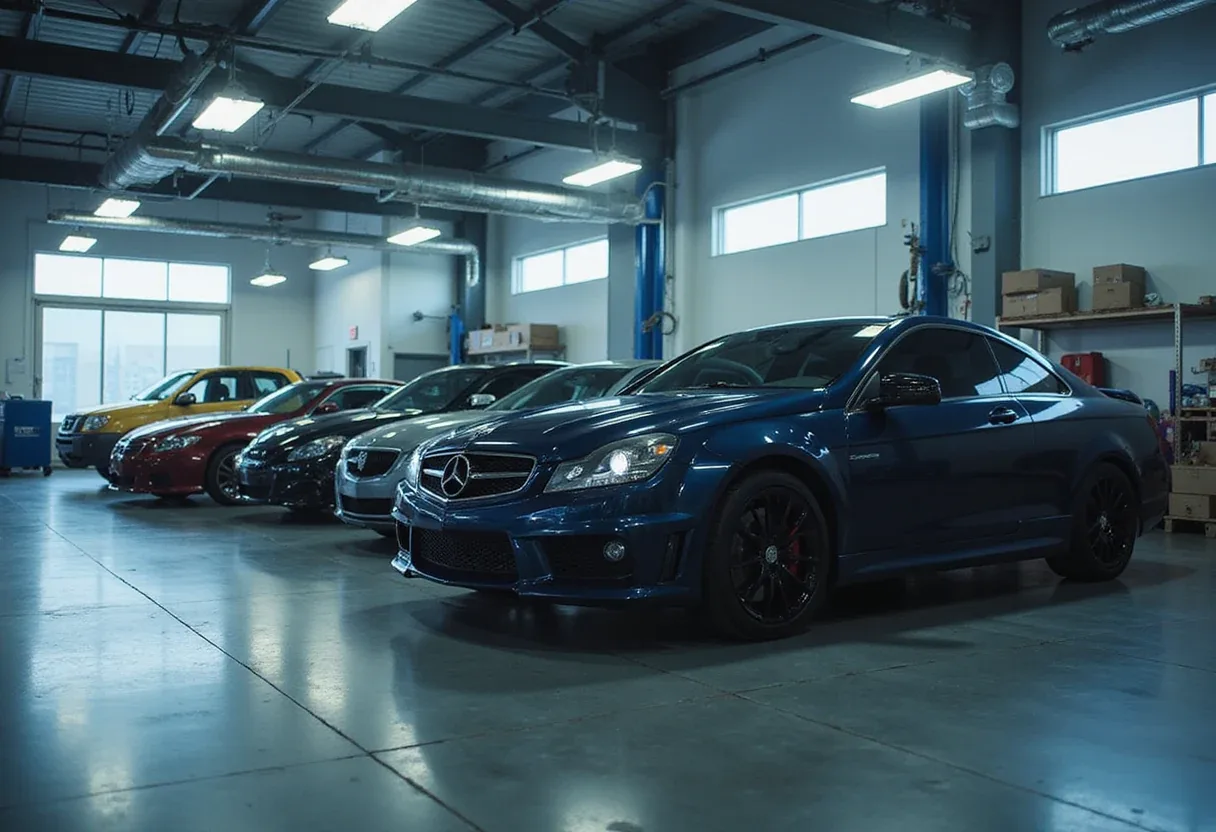
The auto industry has taken a $12 billion hit from the trade war, the Wall Street Journal reports. That figure, aggregated across manufacturers and parts suppliers, marks one of the largest single-policy cost shocks to hit the sector since the supply chain crises of recent years.
The $12 billion isn't a projection. It's damage already booked, according to the Journal's accounting. For an industry that runs on single-digit operating margins in the best of times, a five-figure-million hit per major player forces hard choices fast.
Where does the money go?
Tariff costs don't sit still. They move through the system in predictable ways:
- Input costs. Steel, aluminum and imported components come in at tariffed prices, raising the bill of materials (the total cost of parts in a vehicle) before a single unit rolls off the line.
- Pricing. OEMs (carmakers) pass some of the cost to dealers and buyers, dampening demand.
- Margin compression. Whatever can't be passed through lands on the supplier base, where Tier 1s (direct OEM suppliers) and smaller Tier 2s have the least cushion.
The supplier tier matters here. OEMs can spread pain across a portfolio of models and regions. A mid-size stamping or electronics supplier can't. When a supplier absorbs tariff costs on contracts priced before the trade war began, the hit comes straight out of working capital.
What does this change for manufacturing?
The practical question every plant manager and purchasing chief is asking: does a $12 billion industry-wide hit change sourcing decisions, or does it just shrink margins? The evidence from prior cost shocks says both, unevenly. Programs near launch rarely move — tooling is cut, contracts signed, timing locked. Future programs are where the re-sourcing happens.
That's the pattern to watch in the next round of sourcing decisions. Suppliers with North American footprint already in place gain negotiating leverage. Suppliers dependent on cross-border flows of tariffed goods face repricing pressure from both directions: costlier inputs, and OEMs demanding relief.
How firms can respond
Companies in this position typically have three levers, none fast:
- Renegotiate contracts to share tariff costs explicitly, rather than absorbing them silently.
- Restructure supply chains to shift tariffed flows to non-tariffed origins, where alternatives exist.
- Adjust program timing or content to defer the most exposed components.
Each lever carries cost and delay. None recovers the $12 billion already lost.
What to watch next
The number that matters isn't the $12 billion already booked — it's the next one. Watch Q-next earnings season for how much of the cost OEMs actually passed through versus absorbed, and watch supplier bankruptcies or restructuring announcements in the following quarters. The policy decision is the other variable: any tariff rollback would change supplier math overnight, and any escalation would deepen it.
For now, treat the $12 billion as a floor, not a ceiling. The Journal's figure covers damage done. Whether the total climbs depends on decisions in Washington and in purchasing departments — in that order.
via Google News: Auto industry policy (Source)
More from Grace Kim
Show full bio
Staff writer covering people, launches and day-to-day practice in Automotive manufacturing and vehicle production at Autoplant Brief.
184 articles