ECO-2829 · REV X · effective October 16, 2026
Auto Industry PolicyRELEASEDEngineering notice
Trump Tariffs Threaten Japan's Auto Industry, NHK Reports
NHK reports Trump tariffs would hit Japan's auto industry and risk global trade friction, but offers no rates, dates or volume estimates. Treat it as scenario, not policy.
Scope of change
- NHK World-Japan reports proposed Trump tariffs would impact Japan's auto industry.
- The report warns of possible global trade tensions beyond the direct cost hit.
- No tariff rate, effective date or volume figure appears in the source coverage.
- Past Japanese investment in US plants insulates some output from import tariffs.
- Watch for a formal filing, an effective date, and METI or OEM response next.
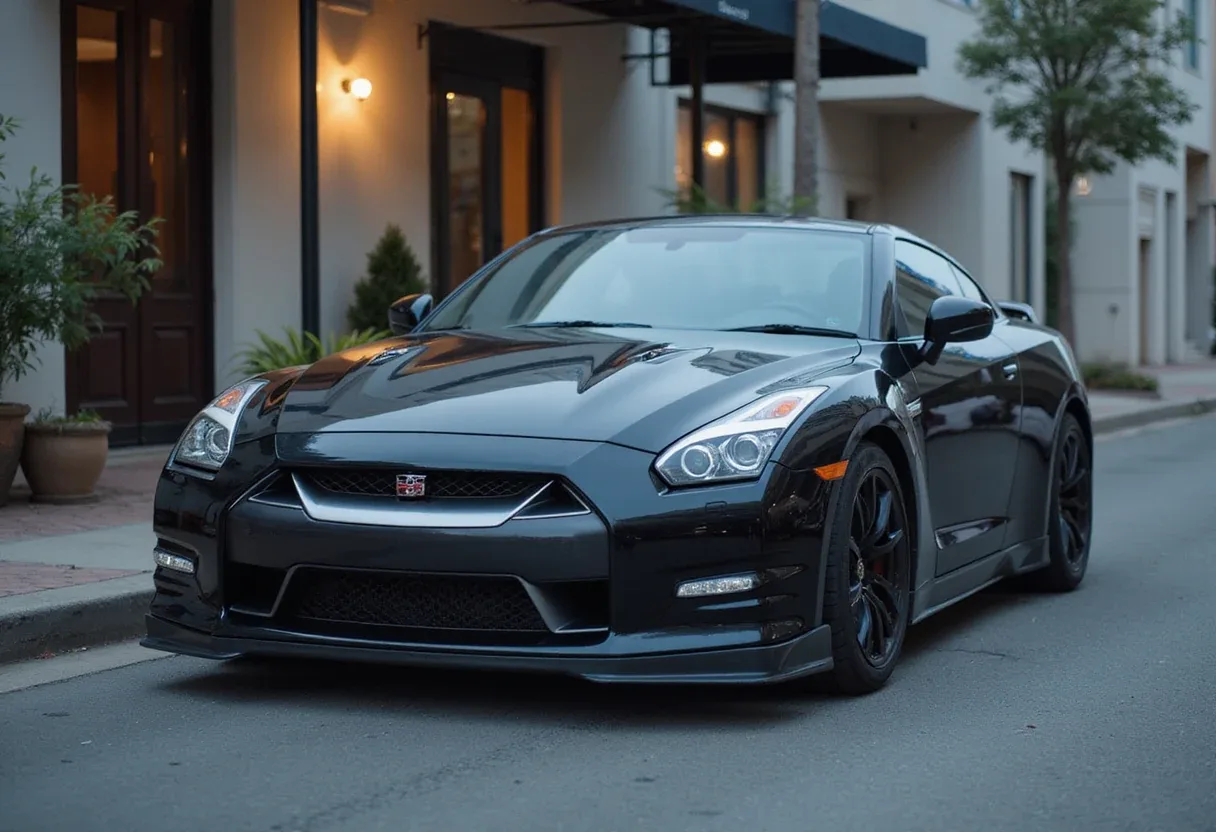
US tariffs proposed under Donald Trump would land directly on Japan's auto industry and could set off wider global trade friction, NHK World-Japan reports.
The report offers little in the way of hard numbers. No tariff rate, no effective date, no volume estimate appears in NHK's coverage. That gap matters. Japan's automakers shipped roughly 40 percent of their exports to the United States in recent years, so any duty on imported vehicles touches the industry's core market.
What does the tariff threat actually change?
NHK frames the risk in two layers. First, Japanese automakers and parts suppliers would face higher costs on US-bound shipments. Second, retaliation and counter-tariffs could follow, dragging other trading partners into a broader conflict.
Neither claim carries a number in the source. Readers should treat both as scenario analysis, not confirmed policy. Trump has proposed tariffs before without enacting them at the announced scale.
Who absorbs the cost?
The source does not say. It names no OEM, no supplier tier, no plant location. That omission is the story's weakest point. In past tariff rounds, automakers split the burden three ways: absorbed margins, supplier price cuts, and consumer price increases. Whether that pattern repeats depends on the final rate, which nobody has published.
Japanese automakers built US plants precisely to dodge this risk decades ago. Toyota, Honda and Nissan produce millions of vehicles a year inside the United States. Tariffs on imported vehicles hit their export models, not their North American output. NHK's report does not draw that distinction.
Why global tension is the bigger risk
A single-country tariff rarely stays single-country. NHK's second warning — global trade tensions — carries more weight for manufacturing planners than the direct cost hit. Supply chains cross borders several times before final assembly, and any retaliation against US exports would entangle suppliers in Europe, Mexico and Southeast Asia.
Again, no specifics. The report gives no scenario modeling, no named trading partners, no timeline.
What to watch next
Three markers will tell manufacturers whether this threat is real.
- A formal tariff rate filed with US trade authorities.
- An effective date, which would give plants time to adjust shipping schedules.
- Any response from Japan's Ministry of Economy, Trade and Industry, or from Toyota City itself.
Until then, NHK's warning is a headline, not a production plan. Plants in Nagoya and Aichi will not retool on speculation, and neither should your sourcing strategy.
via Google News: Auto industry policy (Source)
More from Amara Osei
Show full bio
Market editor covering technology and product news in Automotive manufacturing and vehicle production at Autoplant Brief.
220 articles
Also circulated
- Trump Tariffs Rattle Japan's Auto Industry, Suppliers Warn
- Trump's 50% Auto Tariff Threat Aims at Imports, May Hit U.S. Automakers
- Trump Tariffs A Mixed Bag For U.S. Auto Industry, Report Finds
- Japanese automakers extend U.S. footprint past tariff calculus
- Tariffs, Chinese Rivals and EV Slowdown Drag Auto Sector Into Losses