ECO-7571 · REV T · effective October 15, 2026
EV Manufacturing TransitionRELEASEDEngineering notice
Changan and CATL Target 75 GWh Joint Cell Capacity
Changan and CATL say they will grow joint cell capacity to 75 GWh and widen cooperation into solid-state and sodium-ion batteries — timeline and plant details still pending.
Scope of change
- Changan and CATL announced a target of 75 GWh joint battery cell capacity.
- The partners also plan closer cooperation on solid-state and sodium-ion batteries.
- No timeline, investment figure, or plant-by-plant breakdown accompanied the announcement.
- 75 GWh equates to cells for roughly 1.5 million EVs at 50 kWh per pack.
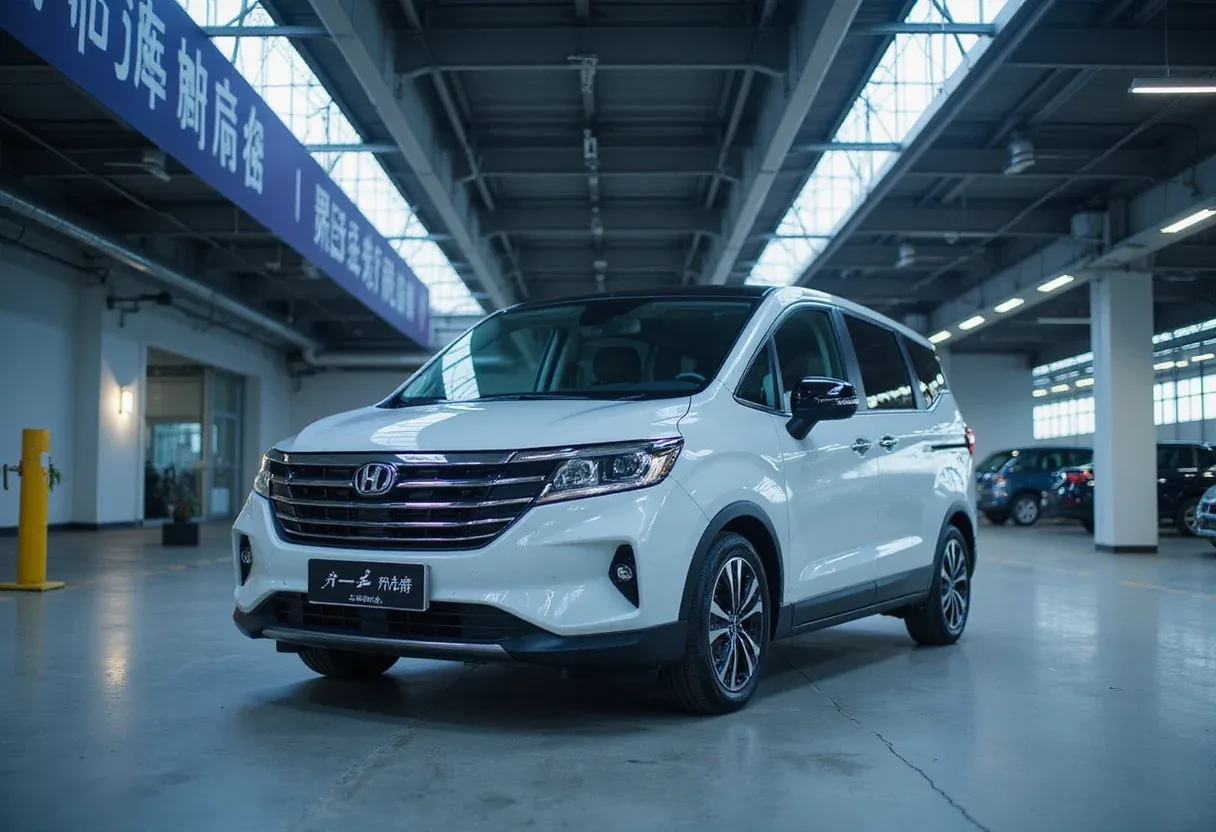
Changan and CATL plan to expand their joint battery cell capacity to 75 GWh, a target the two companies announced as part of a broadened partnership that also covers solid-state and sodium-ion battery development.
For context: 75 GWh is enough cell output to equip roughly 1.5 million vehicles at 50 kWh apiece — a mid-size EV pack's worth. That's the scale Changan, one of China's largest state-backed automakers, says it is lining up with the world's biggest battery maker.
What exactly did the partners commit to?
Two things, per the announcement. First, a significant expansion of existing joint cell capacity toward the 75 GWh mark. Second, closer technical cooperation on next-generation chemistries — solid-state cells and sodium-ion cells — rather than the current lithium-ion staple.
What the announcement does not include, at least so far, is a plant-by-plant breakdown, a timeline for reaching 75 GWh, or a figure for how much of that capacity already exists versus what gets built. Those details matter. Announced intentions and confirmed capacity plans are different animals, and this one still reads as the former.
CATL, the supplier tier-one here, supplies most of the global EV industry already. Changan is the anchor customer. In joint-venture arrangements like this, the OEM typically secures allocation while the cell maker secures volume — both sides hedge. Standard playbook.
Why the chemistry talk matters more than the gigawatt-hours
The solid-state and sodium-ion language is the more interesting half of the story. Solid-state cells promise higher energy density and better safety; sodium-ion offers a cheaper, lithium-free alternative for entry-level vehicles and stationary storage. CATL has been developing both for years.
For Changan, tying itself to both tracks at once is a cheap option on whichever chemistry wins. That's sensible hedging, not a moonshot.
The joint work also fits Changan's home base in Chongqing, where the partners already produce cells for Changan brands such as Oshan — the sort of localized cell-to-vehicle loop every Chinese OEM is now chasing.
What to watch next
Watch for three specifics in follow-up announcements: a dated capacity milestone (when does 75 GWh actually come online), named production sites with investment figures, and any binding offtake volumes for solid-state or sodium-ion cells. Until those land, 75 GWh is a direction, not a schedule.
By Daniel Okafor
via electrive (Source)
More from Daniel Okafor
Show full bio
Senior reporter covering regulation, policy and their impact on Automotive manufacturing and vehicle production at Autoplant Brief.
233 articles