ECO-1741 · REV L · effective September 30, 2026
EV Manufacturing TransitionRELEASEDEngineering notice
Gotion targets 400 Wh/kg for Jinshi solid-state cells
Gotion High-tech targets 400 Wh/kg and $150/kWh long-term costs for its Jinshi solid-state cells. No production date or volumes announced yet.
Scope of change
- Gotion targets 400 Wh/kg energy density for Jinshi solid-state cells
- Long-term cost target of approximately $150 per kWh
- Volkswagen holds a stake in Gotion High-tech
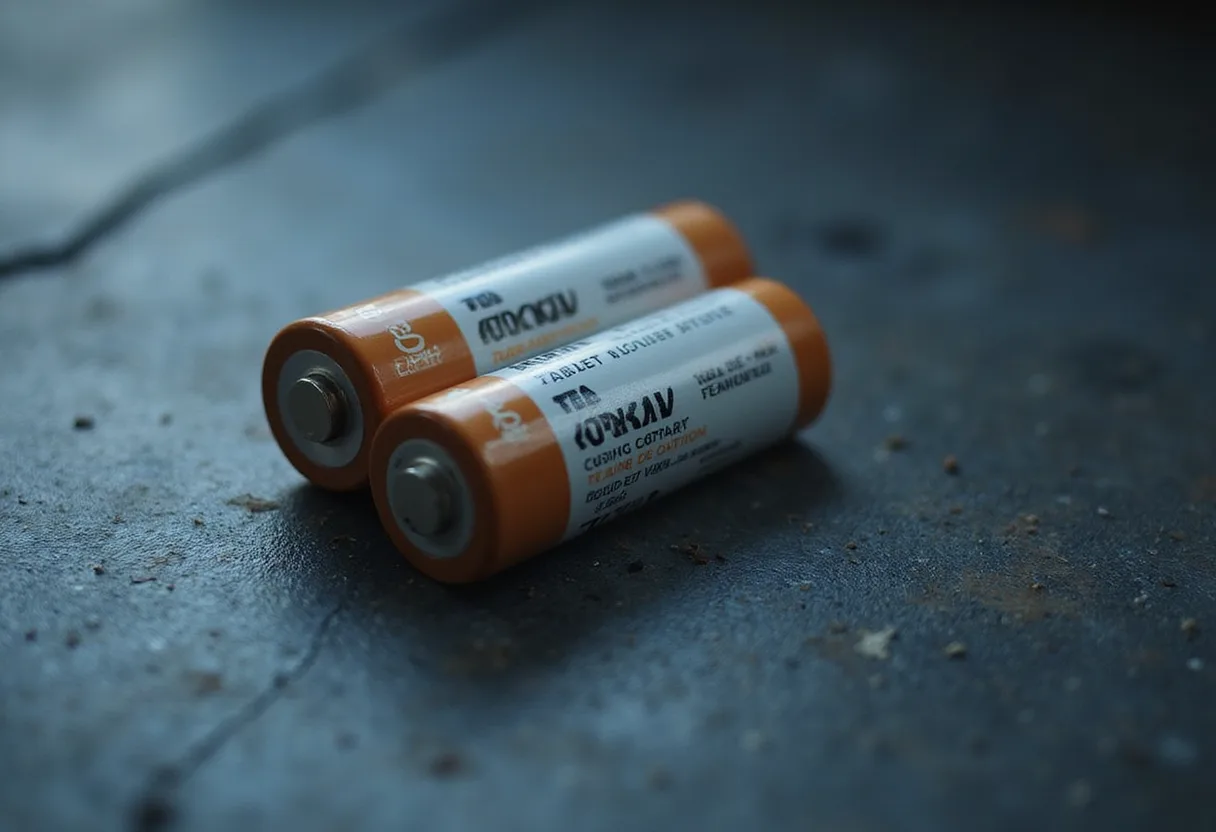
Gotion High-tech has put numbers on its solid-state battery program: an energy density target of 400 Wh/kg for its Jinshi cells and long-term cell costs of roughly $150 per kWh.
The figures are targets, not confirmed production specifications. Gotion, the Chinese cell manufacturer in which Volkswagen holds a stake, unveiled the goals as part of its solid-state development roadmap. The company has not disclosed a production start date, pilot line capacity, or planned launch volumes for the Jinshi chemistry alongside the announcement.
The 400 Wh/kg figure, if reached, would sit well above today's mass-produced lithium-ion cells, which typically operate in the 250–300 Wh/kg range for high-nickel NMC chemistries used in EV platforms. The roughly $150 per kWh cost target positions the technology against current liquid-electrolyte cell pricing, where Chinese LFP cells have already fallen to around $60–80 per kWh at pack level for some segments — meaning solid-state would carry a substantial premium even at Gotion's long-term target.
Gotion's claim warrants scrutiny. Solid-state battery announcements from cell makers across China, Japan, and Europe have repeatedly promised energy densities of 400 Wh/kg and above, with commercial timelines that have slipped. Production data, not laboratory cell specifications, will determine whether the Jinshi program moves from target to volume manufacturing.
The VW stake adds a second layer to watch. Volkswagen has invested in Gotion as part of its battery sourcing strategy, and any solid-state chemistry reaching automotive qualification would need to pass OEM validation cycles — typically two to three years of testing before SOP — before appearing in a production vehicle.
For now, the announcement marks intentions rather than confirmed capacity. No plant location, no launch customer, and no program timing accompanied the targets.
What to watch next: whether Gotion commits to a pilot production line and a timeline for Jinshi samples to OEM customers, and whether the 400 Wh/kg figure survives independent cell testing.
via electrive (Source)
More from Daniel Okafor
Show full bio
Senior reporter covering regulation, policy and their impact on Automotive manufacturing and vehicle production at Autoplant Brief.
234 articles
Also circulated
- Gotion, VW Target €3.22 Billion for 37.5 GWh of European Cell Capacity
- Changan and CATL Target 75 GWh Joint Cell Capacity
- VW's PowerCo and Gotion Target €3.22bn Across Three Battery JVs
- China Sets 2030 Target for Solid-State Battery Mass Production
- GBT Starts Solid-State Cell Production in Guangzhou at 1 GWh